Domestic Abuse Counselling & Support
Our specialist domestic abuse counselling and support service is specifically designed with a deep understanding of the unique challenges faced by LGBTQ+ individuals.
We recognise that domestic abuse can affect anyone, but the experiences within the LGBTQ+ community may come with additional layers of complexity, including fear of discrimination, isolation, or lack of acceptance.
Our service is open to anyone who identifies under the LGBTQIA+ umbrella, who have previously, or are currently, experiencing domestic abuse.
You are not alone. We are here to support you.
-
Domestic Abuse LGBTQ+ Counselling
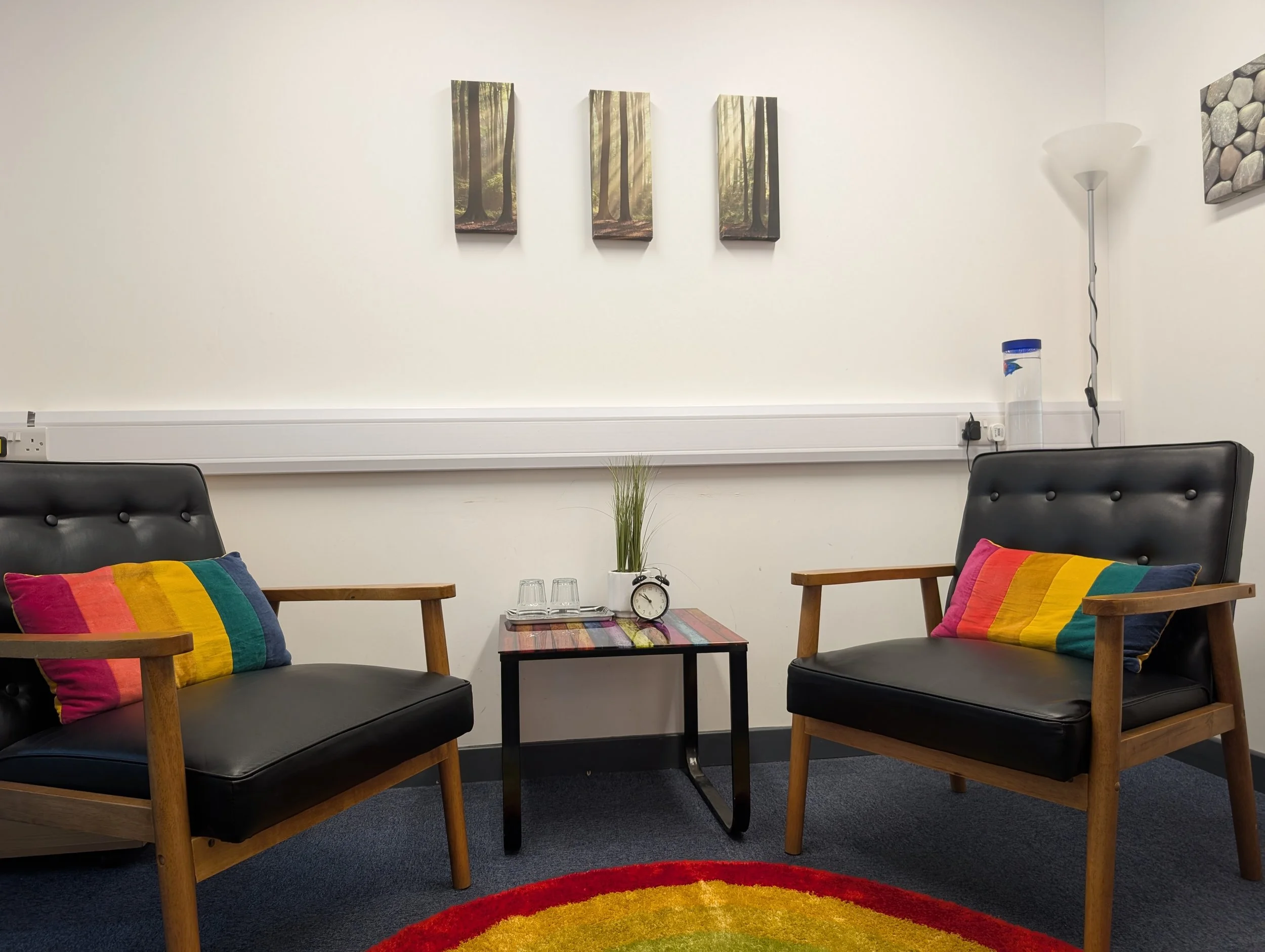
One-to-one, confidential, free counselling service for LGBTQ+ people (age 16+) who have previously, or are currently, experiencing domestic abuse.
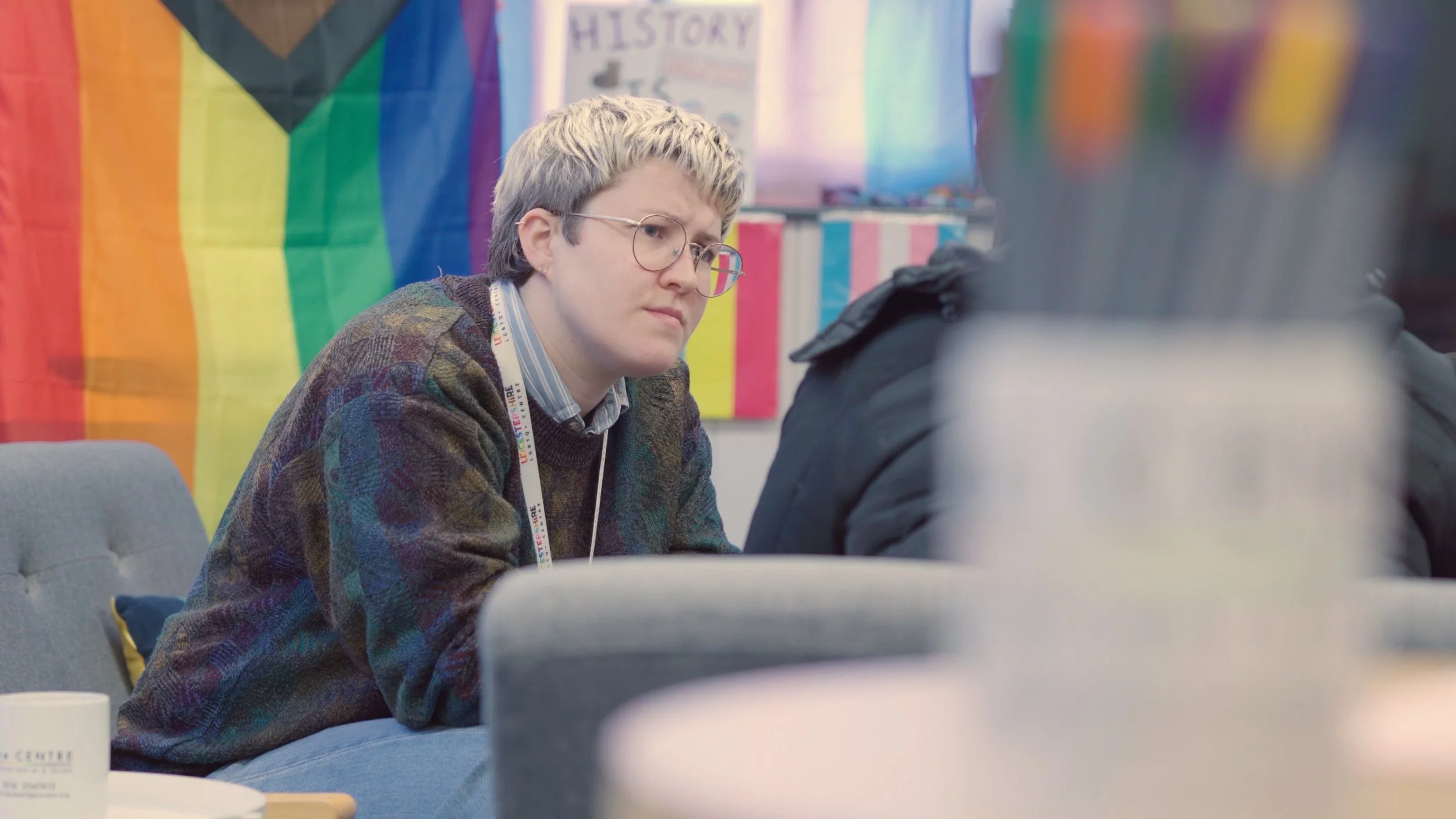
This is a safe space to discuss the issues you are facing, with a counsellor who understands your identity and sexuality.
To get started, fill out a referral form.
-
Domestic Abuse LGBTQ+ Support Group
A support group for LGBTQ+ adults (age 18+) who have been hurt, controlled, or abused in a relationship — now or in the past.
This is a safe space offering peer support, wellbeing strategies, skill-building, and a confidential place for discussion.
Fill out a referral form to received more information about venues/times.
Frequently Asked Questions
Still have questions? Take a look at the FAQ or reach out anytime. If you’re feeling ready, go ahead and apply.
-
If counselling feels right for you at this time, please fill out a self-referral form. A member of the counselling team will be in touch.
If joining the support group feels right for you at this time, please fill out a self-referral form to get more information.
Referrals are also welcome from professionals supporting LGBTQ+ people by contacting counselling@leicestershirelgbtqcentre.org.
-
Our domestic abuse counselling service is open to those who:
Identify as part of the LGBTQIA+ community (or are the loved one of someone in the community)
Aged 16 and above
Living in Leicester, Leicestershire, or Rutland.
Our domestic abuse support group is open to those who:
Identify as part of the LGBTQIA+ community
Aged 18 and above
Living in Leicester, Leicestershire, or Rutland.
-
Our domestic abuse counselling service and support group are both FREE to access.
-
There is not currently a waiting list to join the domestic abuse support group.
There is currently a wait list of approximately 12 weeks for the domestic abuse counselling service. However, this is not definitive and may change. A counsellor will then be in touch when availability opens up.
What is Domestic Abuse?
Domestic abuse can affect anyone, regardless of their background, identity, gender, or sexual orientation.
Support is available, and you do not need to deal with abuse alone.
-
Domestic abuse can affect anyone, regardless of their background, identity, gender, or sexual orientation.
Abuse is not always easy to recognise, especially when it involves someone close to you. Consider whether a current or former partner or family member has ever:
Insulted, humiliated, or belittled you.
Used your gender identity or sexual orientation to threaten, intimidate, or control you.
Threatened to disclose your identity without your consent.
Threatened to harm you, loved ones, or pets.
Controlled your finances or access to money.
Pressured or forced you into sexual activity.
Used physical violence.
Stalked, harassed, or monitored you in person, online, or by phone.
Restricted your contact with friends, family, work, education, or community groups.
Displayed extreme jealousy or made unfounded accusations.
Used alcohol or drugs to control you or excuse abusive behaviour.
Damaged, withheld, or controlled your belongings.
Deliberately used the wrong pronouns or invalidated your identity.
Denied access to healthcare, medication, or hormones.
Used your race, ethnicity, disability, or immigration status against you.
Pressured or forced you into marriage.
Blamed you for their actions or downplayed their behaviour.
Threatened self-harm if you leave or seek support.
If any of these behaviours sound familiar, you may be experiencing domestic abuse. Support is available, and you do not have to deal with it alone.
-
Some forms of domestic abuse may specifically target a person's sexual orientation, gender identity, or gender history.
This can include:
Attempting to change, suppress, or reject your identity or sexuality
Isolating you from friends, family, and/or LGBTQ+ support networks
Pressuring you to hide your identity or relationship
Threatening to reveal your romantic or sexual orientation, gender identity, gender history and/or HIV status, without your permission
Using coercive or controlling behaviour related to your identity or sexuality
Using access to hormones / gender-affirming medication to control or manipulate you
LGBTQ+ people may struggle to access support because:
Abuse from family members may not be correctly identified as abuse
They may be worried about support services understanding their identity and /or sexuality
Abusive behaviour may be normalised in their relationships
Misinformation that LGBTQ+ relationships ‘can’t be abusive’
-
If you would like to understand more about how the LGBTQ+ experience of domestic abuse can be unique, please find more information at LGBTQ+ | Reducing the Risk and Domestic abuse.
Please find advice for staying safe online when accessing domestic abuse services at Staying Safe Online.
Please find information about accessing emergency housing and support for those experiencing domestic abuse at Emergency Accommodation &
Housing Support.
Other organisations who can help
-
![]()
Galop
National LGBTQ+ domestic abuse helpline, providing a safe and confidential space for to talk and explore options.
-
![]()
Loving Me
A service which provides safe house accommodation, for Trans and Non-Binary victims of domestic abuse who are aged 18 and over and live in England.
-
![]()
Freeva
Charity dedicated towards reducing domestic abuse, rape and sexual violence/abuse in Leicester, Leicestershire & Rutland.
-
![]()
LWA
Domestic abuse and sexual violence charity in Leicester, Leicestershire and Rutland. Supporting all ages and genders.